 EN
EN

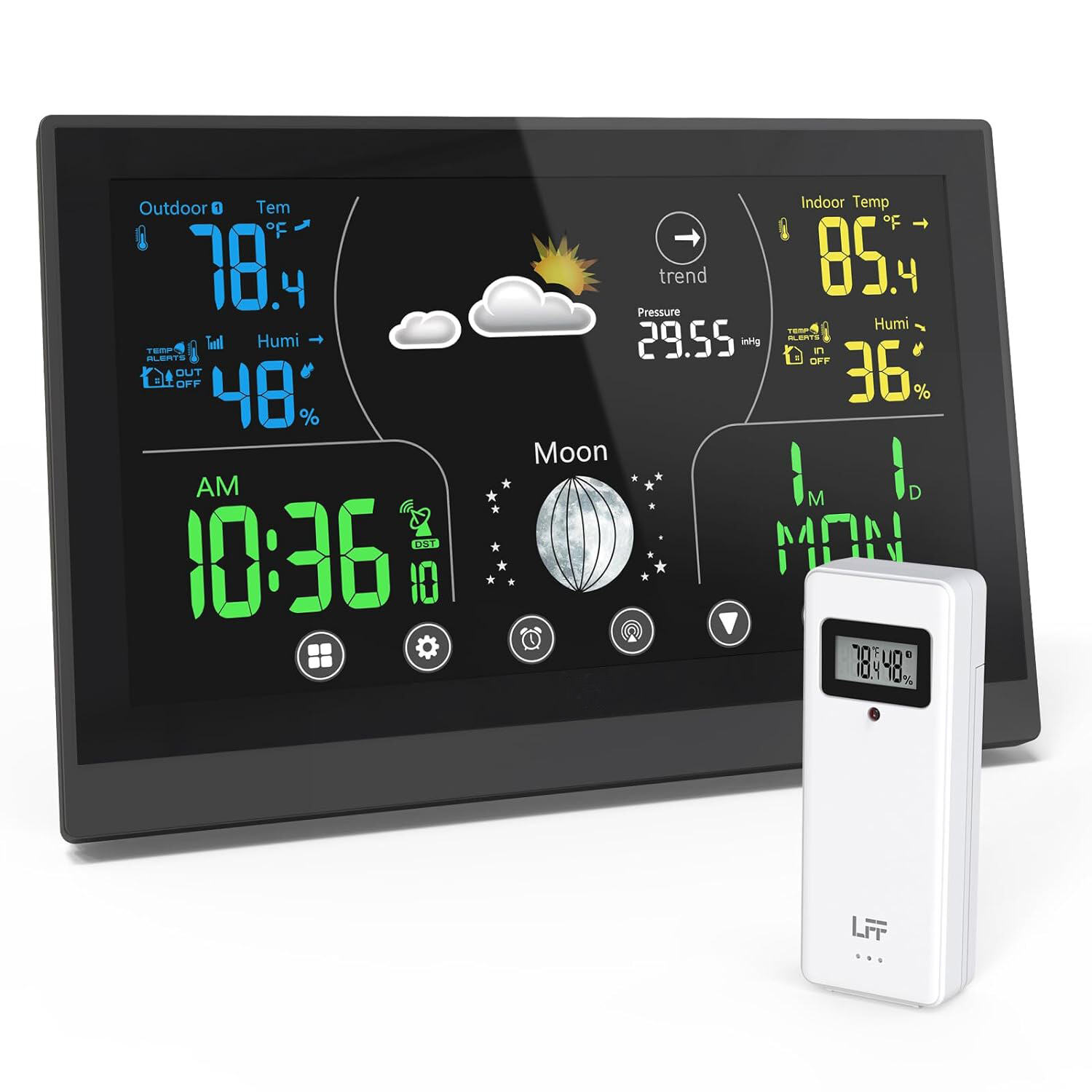
Resolving the Nightmare of Distorted Environmental Data
When I was managing the agricultural logistics for a large-scale smart farming cooperative in the Pacific Northwest, our team hit a massive operational wall with our microclimate tracking system. We were relying on basic sensors to schedule our frost-protection irrigation cycles, but during a sudden early spring cold snap, our equipment reported ambient temperatures four degrees higher than the actual ground reality. Because of that data lag, we missed the critical window to activate our heaters, resulting in a devastating loss of early-season buds across several blocks. That painful, expensive wake-up call taught me that owning advanced environmental tracking hardware is only half the battle; ensuring meticulous calibration is absolutely non-negotiable for real-world risk management. When your business operations depend on microclimate observations, even a microscopic drift in sensor accuracy will destroy your yield, proving that integrating a professionally engineered weather station platform is the only way to protect your venture from catastrophic atmospheric surprises.
The Technical Science of Sensor Calibration and Atmospheric Alignment
Configuring a high-performance weather station setup demands an intricate blend of meteorological science and digital signal calibration. You can never simply mount a new sensor array outside and expect laboratory-grade metrics without performing a systematic baseline synchronization. Atmospheric research papers emphasize that barometric pressure sensors require precise altitude adjustments using local sea-level equivalents from official aviation readouts to ensure accurate mathematical forecasting. Similarly, temperature and relative humidity modules must be cross-referenced inside controlled environments using highly stable reference devices. When a consumer electronics brand partners with an experienced hardware manufacturer, they gain access to advanced pre-calibrated multi-sensor arrays. This professional engineering foundation utilizes premium digital hygrometers and thermistors that resist environmental degradation, minimizing sensor drift and ensuring the telemetry remains perfectly aligned with true global climate baselines.
Overcoming Environmental Interference and Physical Siting Challenges
From a practical field engineering and data integrity standpoint, physical placement is just as critical as software calibration for an industrial weather station network. For multi-branch enterprises or residential users deploying smart monitoring hubs, thermal radiation from concrete walls or localized wind blocks from nearby treelines represent major structural hazards. Meteorology consultants point out that placing a sensor housing too close to artificial heat sources creates an unavoidable upward bias in climate reporting. To bypass these real-world interference issues, professional hardware configurations incorporate advanced solar radiation shields and optimized mechanical brackets. This defensive structural design allows ambient air to circulate freely around the thermal sensors while completely blocking direct sunlight, ensuring your automated system captures flawless, uncorrupted microclimate variables across varying geographic terrains.
Meeting Rigorous International Safety Protocols and Quality Compliance Standards
In the highly competitive global consumer electronics and home automation sectors, strict adherence to international safety metrics and compliance certifications is fundamental to avoiding international logistics delays. Deploying high-volume custom weather station inventories across international borders demands complete compliance with rigid regional directives, including European CE markings, RoHS environmental guidelines, and FCC radio frequency regulations. Reputable manufacturing partners invest heavily in state-of-the-art automated testing facilities that maintain comprehensive quality management systems like ISO9001. Leading international electronics inspectors emphasize that automated surface-mount technology and rigorous environmental stress chambers guarantee absolute batch stability. Utilizing fully documented, certified environmental monitoring hardware gives enterprise buyers immense peace of mind during strict compliance audits, protecting the brand from unexpected product recalls and supply chain liabilities.
Cultivating Long Term Brand Loyalty Through Flawless Environmental Tracking
Ultimately, the commercial lifespan and market value of any modern smart home or consumer electronics brand depend heavily on the sensory satisfaction and deep brand loyalty of the end user. Investing in a premium weather station platform through flexible manufacturing customization allows companies to build an unshakeable connection with their target audience. When a central manufacturing facility combines robust internal processing chips with bespoke exterior display options—such as sleek full-color indoor consoles, integrated smartphone application sync, or minimalist rugged outdoor shells—the resulting presentation significantly elevates the perceived value of the product. This seamless combination of modern manufacturing capability and reliable industrial design empowers ambitious consumer tech brands to aggressively expand their distribution networks, confident that their customized creations will always deliver unmatched atmospheric accuracy and visual distinction.
Table of Contents
- Resolving the Nightmare of Distorted Environmental Data
- The Technical Science of Sensor Calibration and Atmospheric Alignment
- Overcoming Environmental Interference and Physical Siting Challenges
- Meeting Rigorous International Safety Protocols and Quality Compliance Standards
- Cultivating Long Term Brand Loyalty Through Flawless Environmental Tracking