Home > Products > DAB/FM Radio
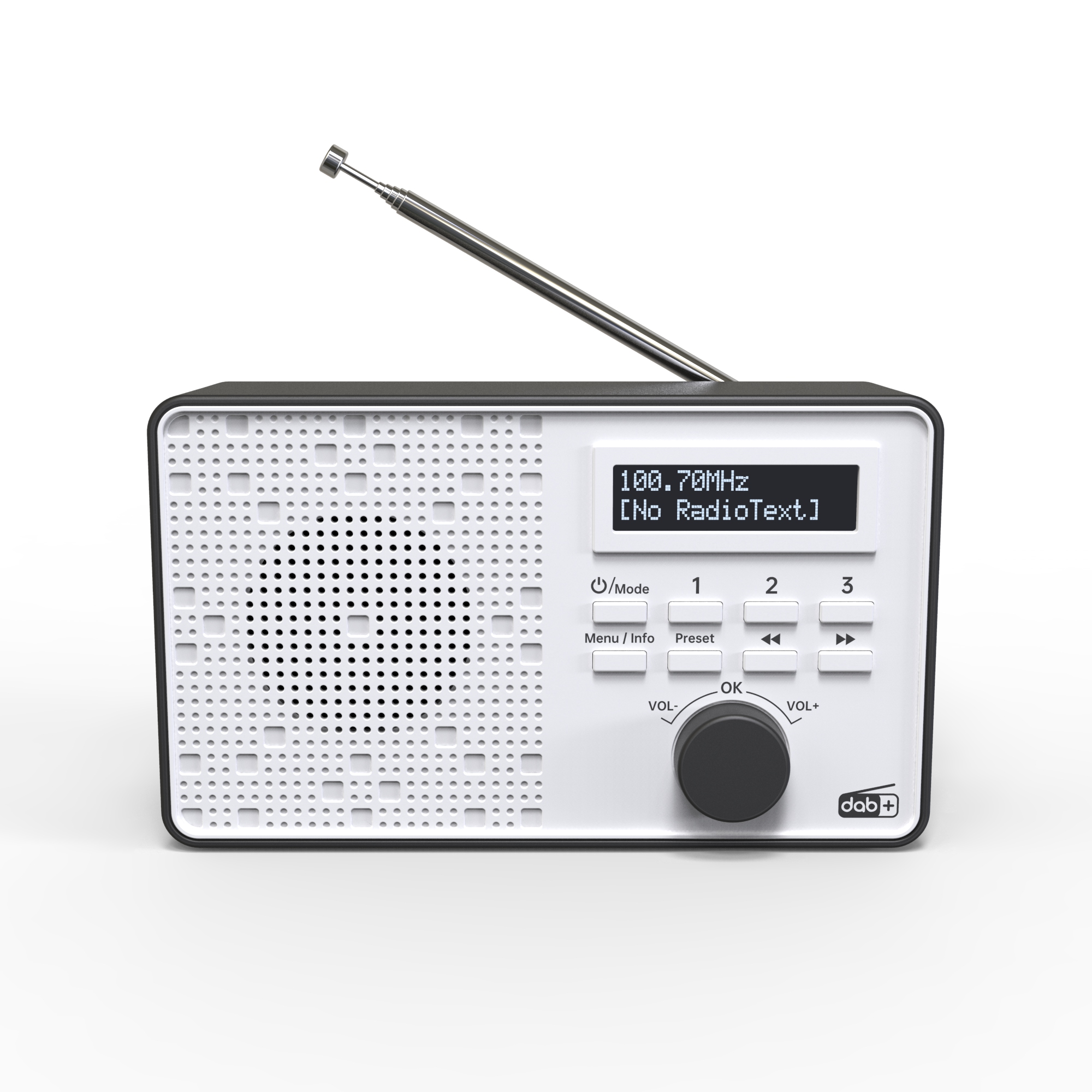
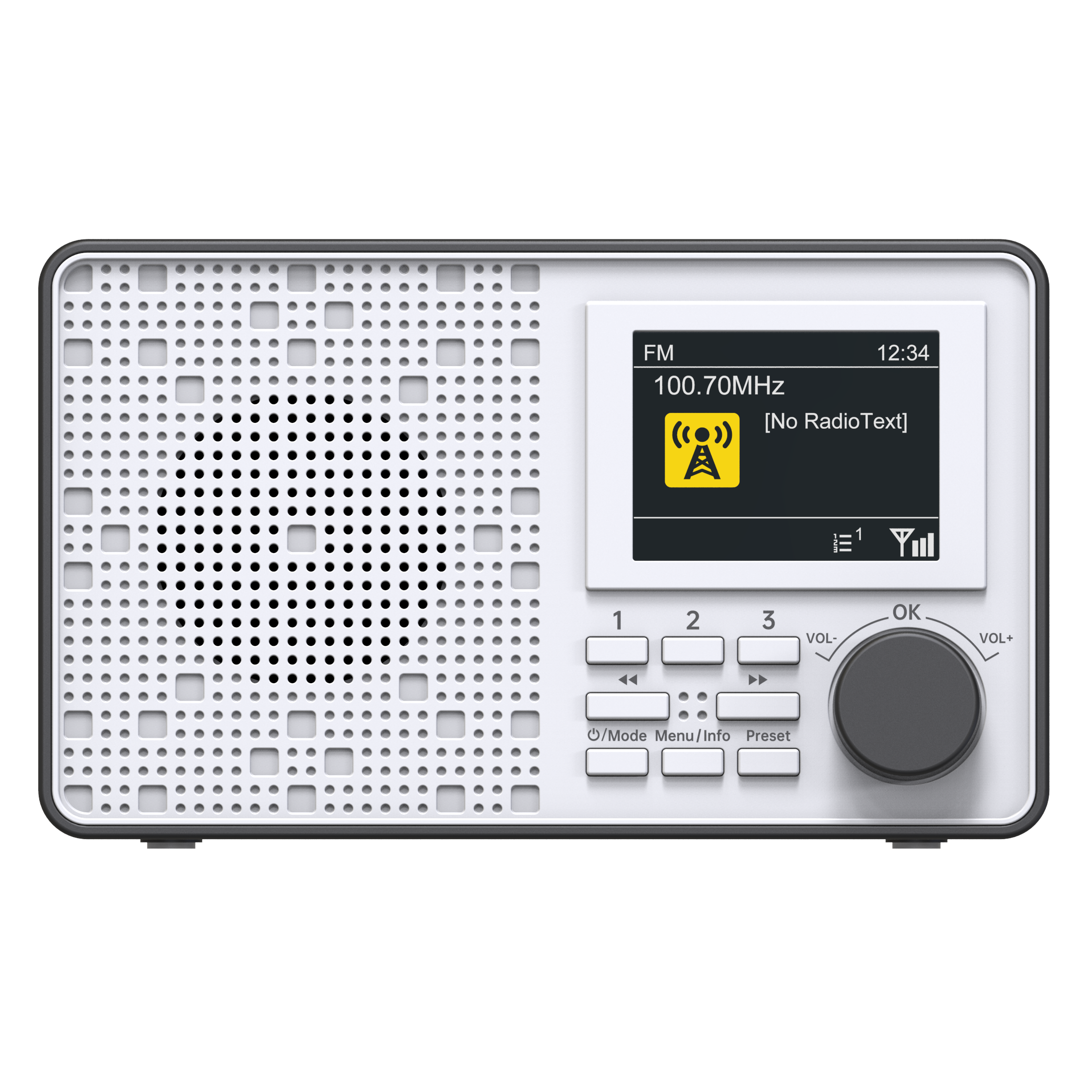
DAB Radio: Unmatched Advantages Over Traditional Radios
With the rapid advancement of digital technology, Digital Audio Broadcasting (DAB) radio has gradually replaced traditional analog radios as a new mainstream audio device. Compared with conventional AM/FM radios, DAB radio integrates innovative digital transmission technology, bringing revolutionary improvements in sound quality, signal stability, content diversity, and user experience. These advantages not only meet the growing demand for high-quality audio among modern users but also inject new vitality into the radio broadcasting industry.
Superior Sound Quality and Stable Signal Transmission
The most prominent advantage of DAB radio over traditional analog radios lies in its unparalleled sound quality and signal stability. Traditional AM/FM radios rely on analog signal transmission, which is highly susceptible to interference from environmental factors such as electromagnetic radiation, buildings, and weather conditions. This often leads to problems like static noise, signal fading, and sound distortion, especially when moving or in remote areas.
In contrast, DAB radio adopts digital signal transmission technology. Digital signals are not easily affected by external interference, and they can maintain consistent sound quality whether received in urban or suburban areas. DAB radio supports high-fidelity audio output, with a wider frequency response range and clearer sound details, allowing users to enjoy studio-level audio effects. Unlike analog radios where signal strength gradually weakens, DAB radio either maintains stable reception or loses signal completely, avoiding the annoying noise caused by weak analog signals.
Rich Channel Resources and Efficient Spectrum Utilization
Traditional analog radio frequencies are limited and crowded, which restricts the number of available channels. Most regions can only receive a dozen or so analog radio stations, and the content is relatively single, mainly focusing on news, music, and talk shows. Moreover, analog frequency resources are scarce and expensive, making it difficult for new stations to enter the market, resulting in a lack of content diversity.
DAB radio breaks through the limitations of analog frequency resources with its efficient spectrum utilization. A single DAB frequency can carry multiple digital radio channels simultaneously, which is 3 to 5 times the number of channels that an analog frequency can carry. This means users can access dozens or even hundreds of radio channels, covering a wider range of content categories such as niche music genres, specialized knowledge lectures, foreign-language programs, and live sports broadcasts. Additionally, DAB radio supports data services while transmitting audio, enabling stations to broadcast additional information such as program guides, song titles, artist introductions, and traffic updates, enriching the user experience.
Intelligent User Experience and Versatile Functions
Traditional analog radios have simple functions, usually only supporting channel tuning, volume adjustment, and basic band switching. Users need to manually search for channels and memorize their frequencies, which is cumbersome and inefficient. In addition, analog radios lack advanced functions such as program recording, pause, and replay, making it impossible for users to catch up on missed programs.
DAB radio integrates a series of intelligent functions to provide a more convenient and humanized user experience. Most DAB radios are equipped with digital displays that can show channel names, program information, and signal strength, eliminating the need for users to remember complex frequencies. They also support one-key channel search and storage, allowing users to quickly switch between favorite channels. Many high-end DAB radios also offer functions such as program recording, pause/resume playback, and alarm clocks, enabling users to record favorite programs and listen to them at their convenience. Some DAB+ (the enhanced version of DAB) radios even support Bluetooth connectivity, allowing users to play music from mobile devices while retaining radio functions, realizing multi-functional integration.
Energy Efficiency and Long-Term Durability
Traditional analog radios have relatively high power consumption due to the design of their analog circuits and signal processing modules. Especially for portable models, battery life is short, requiring frequent battery replacement or charging. In contrast, DAB radio’s digital circuits are more energy-efficient, with lower power consumption under the same working conditions. Portable DAB radios can maintain longer battery life, making them more suitable for outdoor activities such as camping, hiking, and commuting.
In terms of durability, DAB radio’s digital components have higher stability and longer service life than analog components. The simple structure of digital circuits reduces the probability of component failure, making DAB radios more reliable and less prone to malfunctions caused by long-term use or environmental changes.
Conclusion
Compared with traditional analog radios, DAB radio has obvious advantages in sound quality, signal stability, channel resources, user experience, and energy efficiency. With the continuous popularization of digital broadcasting networks and the gradual decline in the cost of DAB radio devices, DAB radio is becoming the preferred choice for more users. It not only upgrades the way people listen to radio but also promotes the transformation and upgrading of the radio broadcasting industry, opening up a new era of digital audio entertainment.

We R&D and manufacture consumer electronics (weather forecasters, RCC clocks, thermometers, Qi chargers, DAB radios, etc.). With 40,000㎡ factory, 300+ staff, in-house R&D team, China-Vietnam source factories, 23+ years of export experience, we deliver one-stop solutions and are trusted by clients in 120+ countries.
Building 1, M9511 Industrial Park, No. 18, Majiang Road,Fuzhou,Fujian,China
Copyright © 2026 by YOUTONG GROUP Privacy Policy
 EN
EN