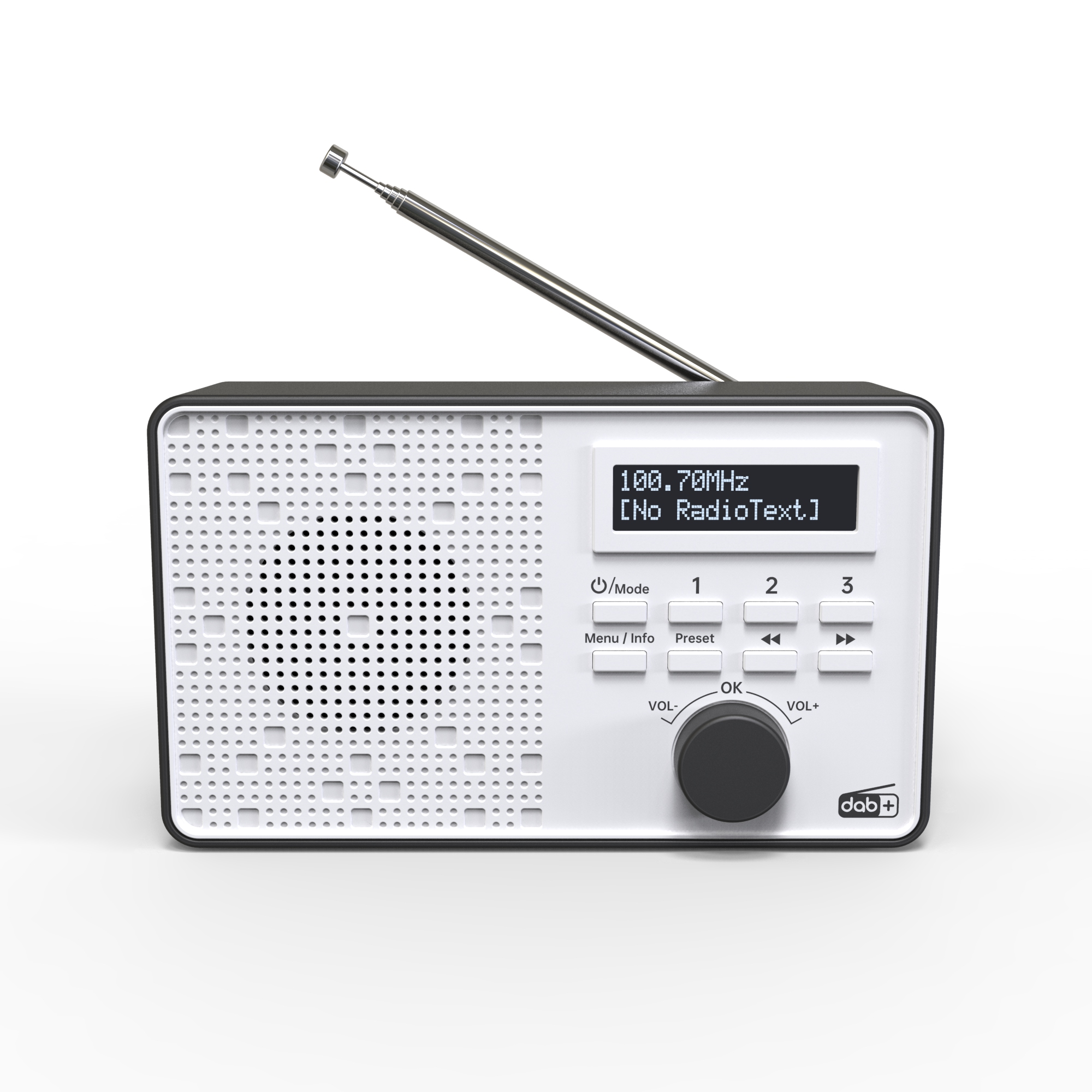
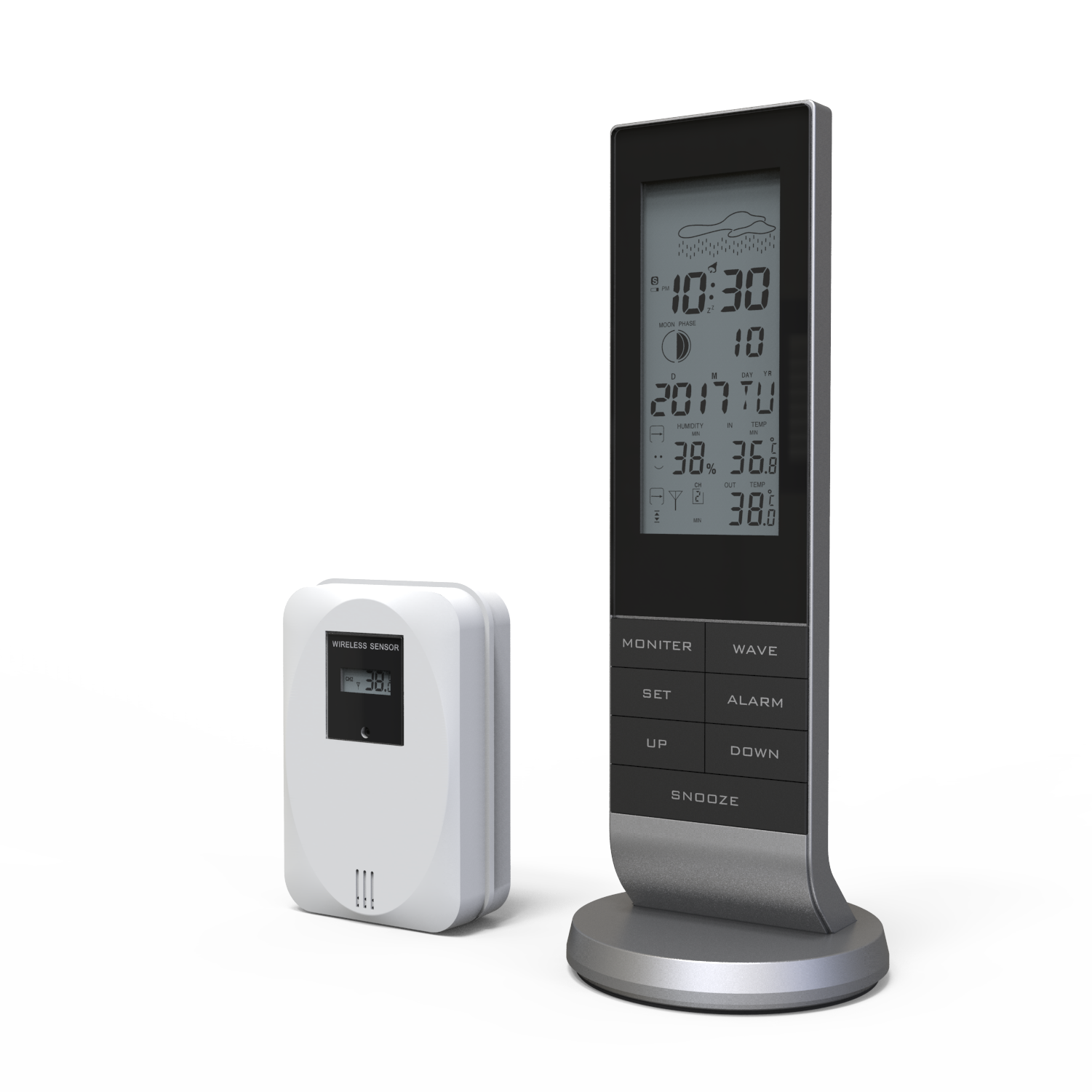
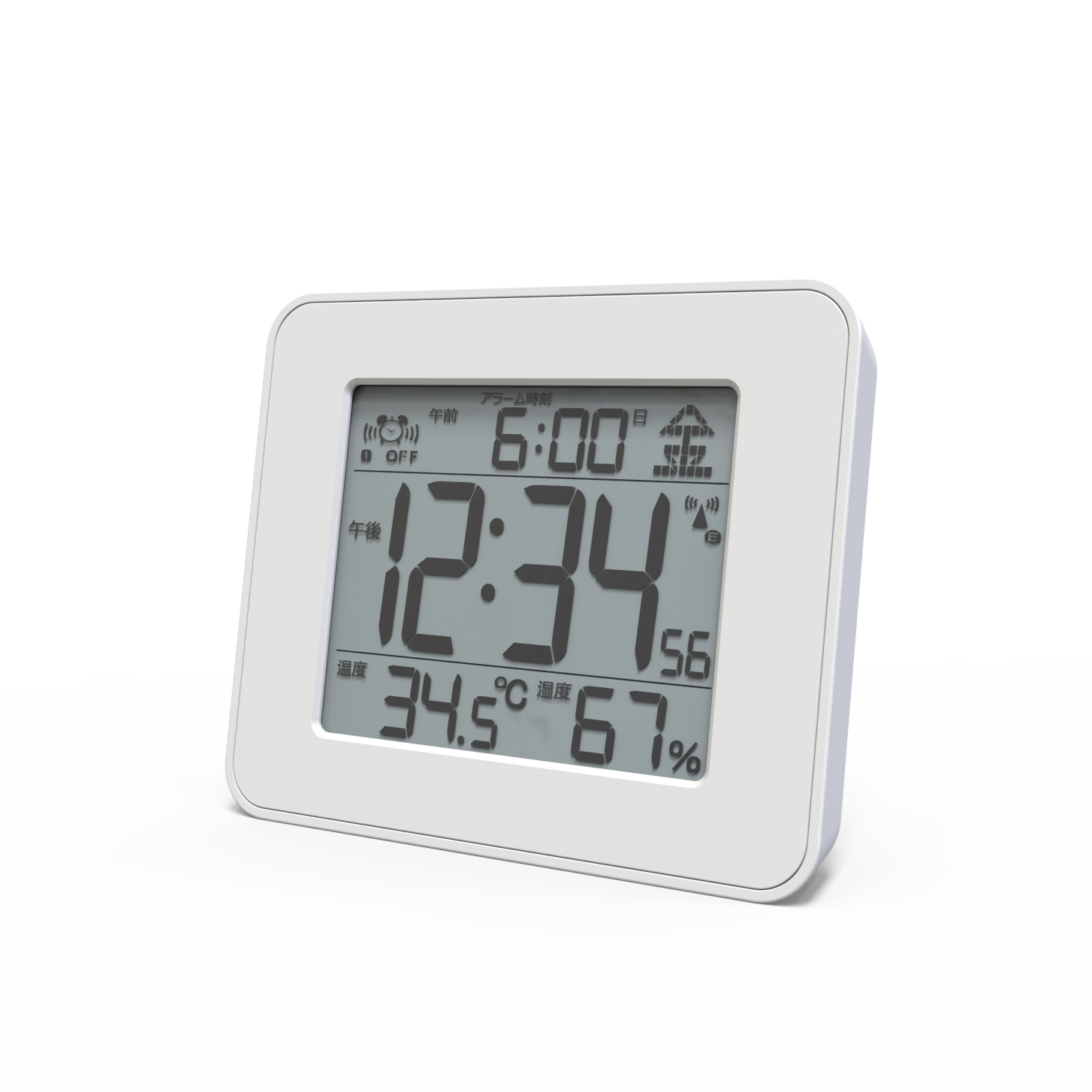
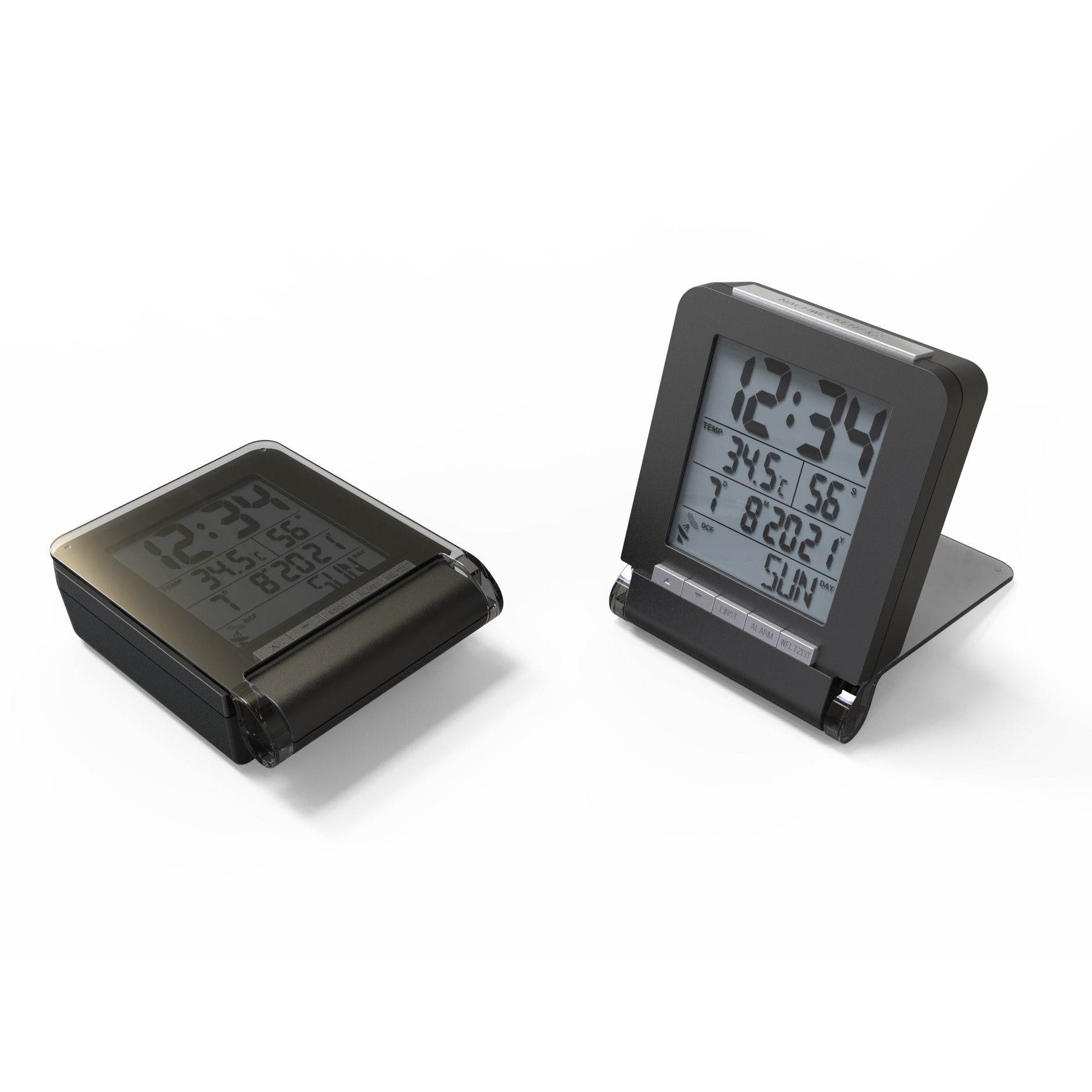
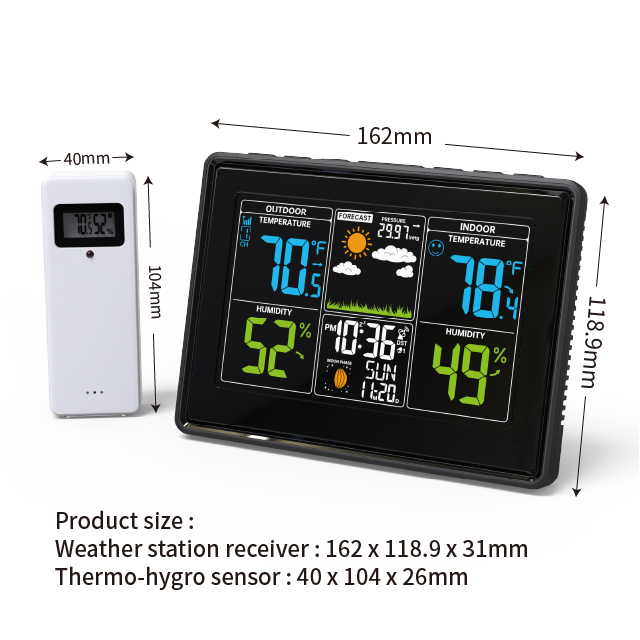
For brands, importers, and distributors sourcing home comfort electronics — home weather stations, large-screen digital clocks with temperature and humidity, home thermo-hygrometers, air quality monitors, and DAB radios — the single most important decision is not the product spec. It is who builds it.
Choose well, and you get stable supply, defensible margins, and a partner who helps you navigate tariffs. Choose poorly, and you inherit late shipments, quality escapes, and a tariff bill that wipes out your profit.
This guide breaks down the seven checks experienced buyers use to separate a dependable OEM/ODM factory from a risky one — and shows what a 24-year specialist with plants in both China and Vietnam brings to the table.
Anyone can print “15 years of experience” on a brochure. The signal that actually matters is named, verifiable long-term clients and the volume those relationships imply.
A factory that has supplied global retail and brand leaders for years has already survived the audits, the quality gates, and the delivery pressure that break weaker suppliers. When a partner lists names like LIDL, Disney, PRIMAXS, Walmart, Sharp, and Deli among its cooperation history, that is not decoration — it is evidence the factory meets international compliance, social-responsibility, and consistency standards.
Buyer takeaway: Ask for a client reference list (even anonymized by category) and proof of recurring annual orders. Longevity with marquee buyers is the cheapest insurance you can buy.
The tariff environment for EU and US importers has made single-country sourcing dangerously fragile. A factory with only one production base leaves you exposed: a policy change can instantly reprice your entire order book.
The resilient model is dual-country manufacturing — for example, a base in Fujian, China plus a base in Vietnam. This gives you:
A partner that can hand European and American customers a complete, compliant solution to tariff exposure — not just a product — is worth more than any per-unit price discount.
“Capacity” is meaningless without utilization discipline. The questions to ask:
High capacity utilization signals a healthy, well-managed line — but paired with the right planning systems, it should still leave room to honor timely delivery commitments. A reliable partner treats your delivery date as a contract, not a hope.
Many factories assemble; few truly develop. If you want differentiated products — a weather station with a cleaner UI, a clock with a better low-power display, a monitor with smarter sensors — you need engineering muscle.
Look for:
A partner with real R&D turns your idea into a defensible SKU instead of a commodity clone.
Price is what you pay; defects are what you keep. A standardized, documented QC flow is non-negotiable for home electronics, where a single bad sensor undermines the whole brand.
What to verify:
A mature QC system is why established retailers keep coming back — and why your return rate stays low.
The most efficient sourcing relationship is one where a single, trusted partner covers your whole category range. For home lifestyle electronics, that typically means:
Consolidating multiple SKUs with one qualified manufacturer simplifies your audits, your logistics, and your communication — while deepening the partner's understanding of your brand.
Use this pre-contract checklist:
If a supplier answers these clearly and with evidence, you have likely found a partner rather than a vendor.
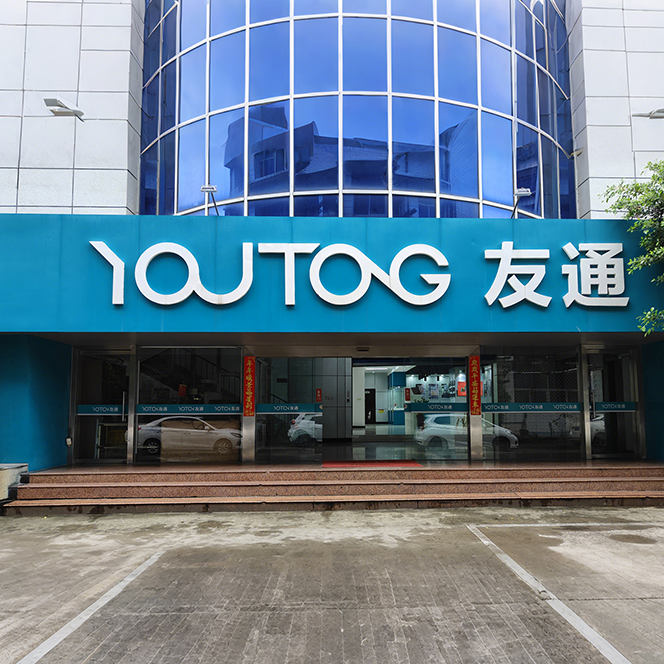
To make the criteria concrete, consider YOUTONG — a home-appliance OEM/ODM specialist with 24 years of manufacturing and global trade experience.
For brands and importers searching for a reliable manufacturing partner, the checklist above is the filter. YOUTONG is what passes it.
Ready to discuss your next home-appliance program? Contact the YOUTONG team to review capacity, tariffs, and co-development options.
Prioritize a verifiable client track record, dual-country production for tariff flexibility, proven on-time delivery, in-house R&D, a documented QC system, and category-matched product coverage. Named global clients (e.g., LIDL, Walmart, Sharp) are strong proof of consistency.
Vietnam often offers more favorable duty treatment for certain US-bound goods, but the real advantage is flexibility: a supplier with both China and Vietnam bases can route volume to the lowest-tariff corridor, protecting your margin regardless of policy shifts.
While there is no fixed number, 20+ years with recurring global clients indicates the factory has weathered audits, compliance changes, and demand swings — exactly the resilience importers need.
Yes. A partner with broad home-electronics expertise — covering weather stations, temperature/humidity clocks, air quality monitors, thermo-hygrometers, and DAB radios — lets you consolidate sourcing, simplify audits, and strengthen one trusted relationship.
 Hot News
2026-01-19
2026-01-16
2026-10-13
2026-10-08
2026-09-22
2026-08-13
We R&D and manufacture consumer electronics (weather forecasters, RCC clocks, thermometers, Qi chargers, DAB radios, etc.). With 40,000㎡ factory, 300+ staff, in-house R&D team, China-Vietnam source factories, 23+ years of export experience, we deliver one-stop solutions and are trusted by clients in 120+ countries.
Building 1, M9511 Industrial Park, No. 18, Majiang Road,Fuzhou,Fujian,China
Copyright © 2026 by YOUTONG GROUP Privacy Policy
 EN
EN