ause the weather app signals suitable humidity, only to discover bone‑dry air in reality.
The explanation is straightforward. Weather readings on your mobile device come from official meteorological stations 10‑20 kilometres away. They reflect average atmospheric conditions across a vast zone and cannot capture the microclimate right outside your doorway.
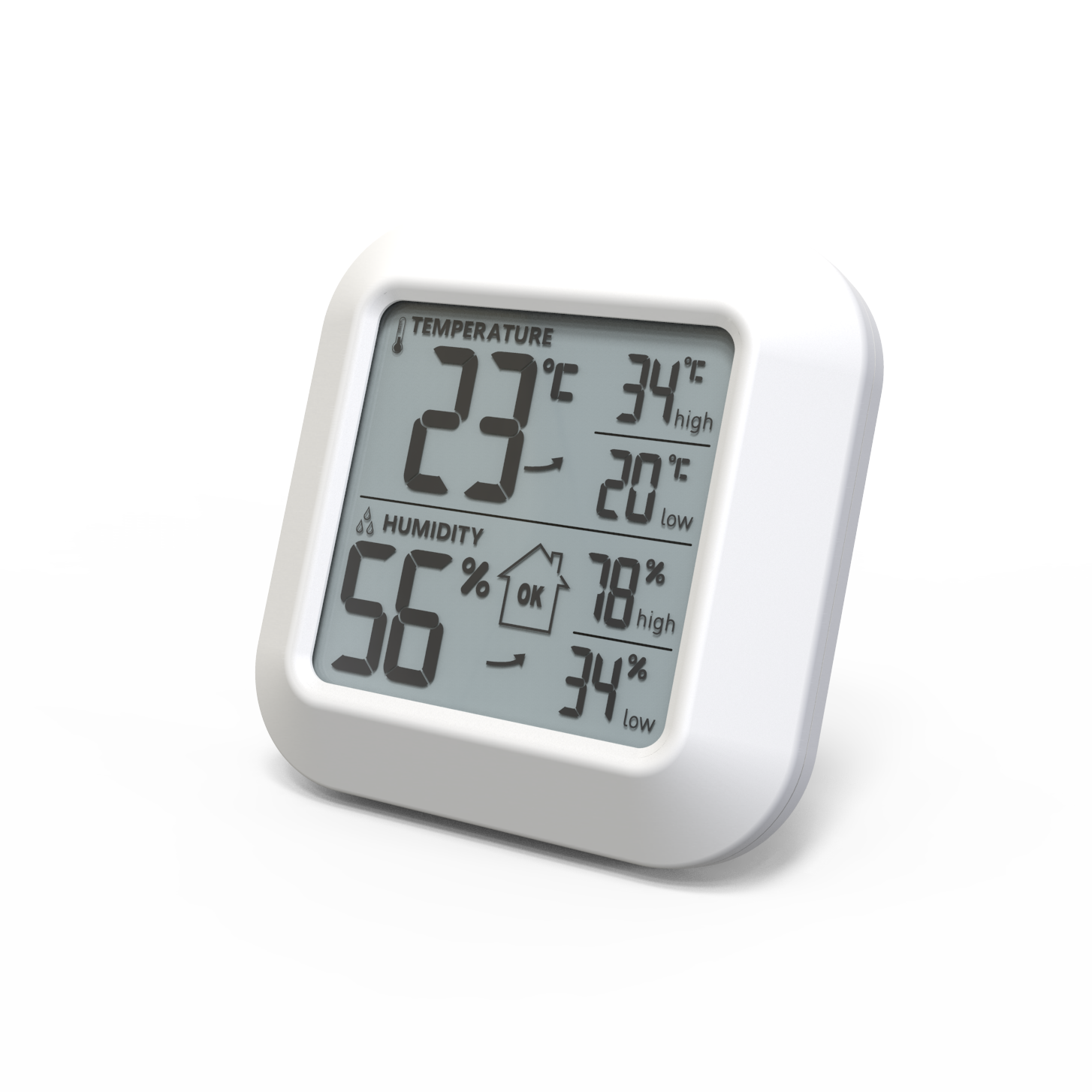
For this reason, a growing number of households are setting up home‑based weather stations, also known as compact wireless personal weather monitors. Unlike the bulky professional‑grade equipment you see on television, these palm‑sized Wi‑Fi‑enabled mini‑observatories record real‑time local weather data every few minutes.
Whether you are an avid gardener, a balcony vegetable grower, a rooftop solar‑power system owner or simply a data‑loving hobbyist, a home weather‑tracking unit lets you build a dedicated weather archive for your property.
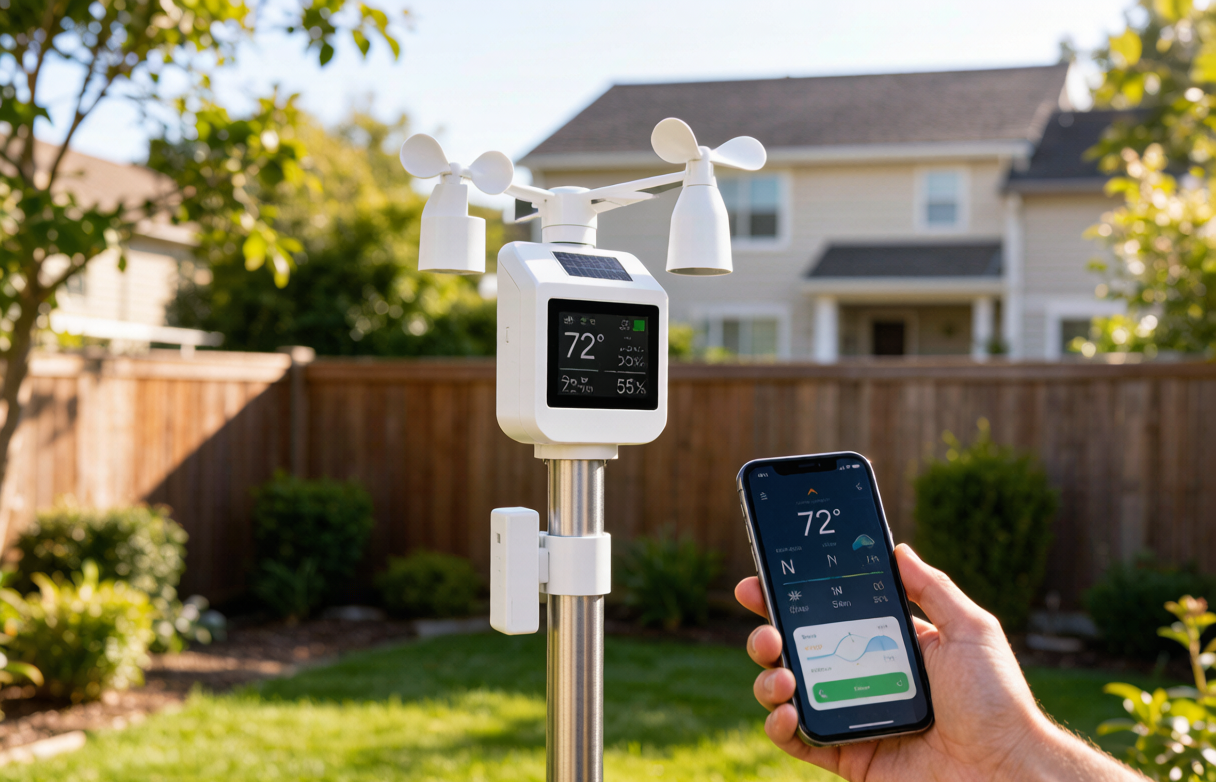
A complete residential weather‑monitoring kit generally consists of an outdoor sensor array plus an indoor display terminal (or direct smartphone connectivity). It captures the following core environmental metrics:
Advanced premium models support extended sensors for lightning detection, soil moisture and leaf‑wetness monitoring.
Sensors transmit measurements wirelessly via Wi‑Fi or Bluetooth to your mobile application. You are able to check statistics remotely and receive emergency weather alerts. Many units integrate with smart‑home ecosystems to trigger automated routines such as closing windows when rainfall is detected or sending low‑temperature notifications.
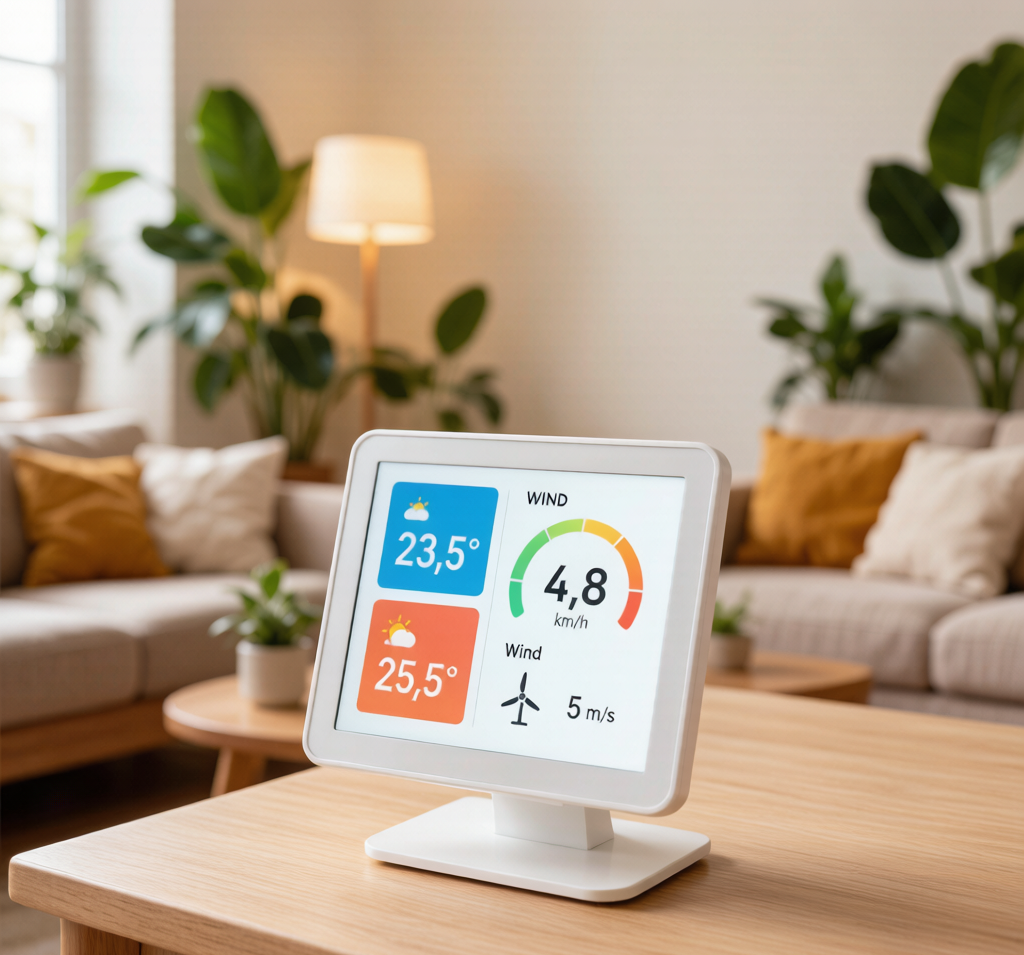
The consumer‑grade weather‑station market hosts a wide range of products. As an established hardware manufacturer in this industry, we recommend prioritising these six practical benchmarks over flashy marketing claims.
You may wonder why retail prices vary drastically for seemingly identical weather stations.
Brand‑name markup is seldom the deciding factor. Supply‑chain quality makes all the difference. Most consumer‑facing weather‑station hardware comes from comparable OEM manufacturing chains. Product reliability hinges entirely upon your manufacturer’s quality‑control protocols, research‑and‑development capacity and dependable order fulfilment.
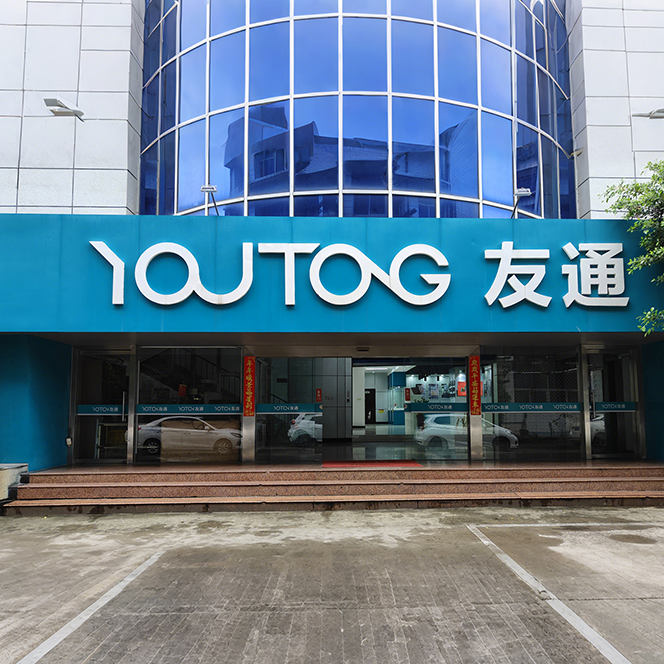
Take YOUTONG (Fujian Youtong Industrial Co., Ltd.) as an example.
For brand owners, retail merchants and overseas importers, working straight from the source factory translates to shorter lead‑times, cost‑effective pricing and flexible customisation options. These perks explain why international buyers repeatedly place manufacturing orders with YOUTONG.

Q1: Can residential weather stations link up with mobile phones?
Nearly all modern‑day models support smartphone pairing via Wi‑Fi or Bluetooth. Owners view real‑time temperature, humidity, wind and precipitation statistics and receive automated weather warnings.
Q2: Does a wireless home weather‑station need hard‑wired cabling?
No physical wiring is necessary. Outdoor sensors transmit data wirelessly to indoor receivers or mobile phones. Installation consists of securely mounting the probe and setting up its power supply.
Q3: What price bracket applies to personal weather‑monitoring hardware?
Prices span a wide spectrum. Budget‑friendly entry‑level devices only measure temperature and humidity. Mid‑range mainstream products adopt seven‑in‑one sensors, colour screens and mobile‑app connectivity. Premium professional‑precision sensors command higher prices. Your final cost depends on sensor specifications and accuracy standards.
Q4: How do I judge sensor quality on a weather station?
Evaluate three benchmarks: full coverage of the six core meteorological metrics (temperature, humidity, barometric pressure, wind, rainfall and light), third‑party‑verified performance test reports and a manufacturer’s proven quality‑control record. Hardware produced by source‑level factories offers the most transparent performance specifications.
Q5: What sets original factories apart from branded retailers?
Branded companies concentrate on marketing and distribution while outsourcing hardware fabrication to manufacturing plants. Direct cooperation with an original factory such as YOUTONG unlocks OEM‑ODM customisation, competitive rates and stable production capacity, ideal for private‑label brands and bulk wholesale purchasers.
A home weather‑station fundamentally shifts the way you obtain local weather intelligence, moving from generic third‑party forecasts to self‑measured hyper‑local conditions.
When shopping, ignore unnecessary fancy functions. Prioritise sensor quality, wireless compatibility, weather‑proof durability and data‑recording capability. This approach will help you select hardware suited perfectly for your requirements.
If you are searching for a reputable manufacturer of personal weather‑station hardware or require OEM‑ODM custom‑manufacturing for your proprietary brand, please consider YOUTONG. With over 20 years‑long manufacturing experience across our Fujian and Vietnamese production bases, we support prototype sampling all the way up to full container‑load shipments for overseas markets.
Learn more: https://www.youtonggroup.com
 Hot News
2026-01-19
2026-01-16
2026-10-13
2026-10-08
2026-09-22
2026-08-13

We R&D and manufacture consumer electronics (weather forecasters, RCC clocks, thermometers, Qi chargers, DAB radios, etc.). With 40,000㎡ factory, 300+ staff, in-house R&D team, China-Vietnam source factories, 23+ years of export experience, we deliver one-stop solutions and are trusted by clients in 120+ countries.
Building 1, M9511 Industrial Park, No. 18, Majiang Road,Fuzhou,Fujian,China
Copyright © 2026 by YOUTONG GROUP Privacy Policy
 EN
EN